Every Animal Leaves a Trace
An earthworm beneath a leaf opens a larger question. Explore the cosmic task with children through patient observation of small lives and their surroundings.
Dive into the world of Maria Montessori. Here you will find in-depth articles on the five great stories, methodological guidance and everyday inspiration.
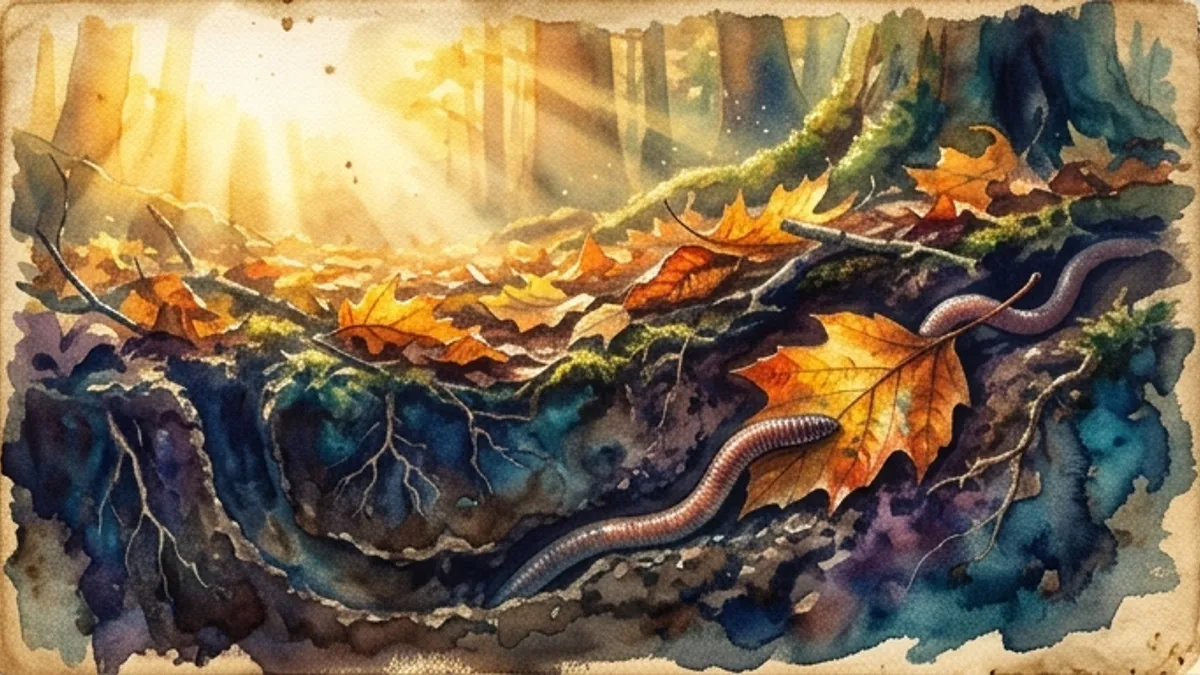 Cosmic Impulse
 An earthworm beneath a leaf opens a larger question. Explore the cosmic task with children through patient observation of small lives and their surroundings.
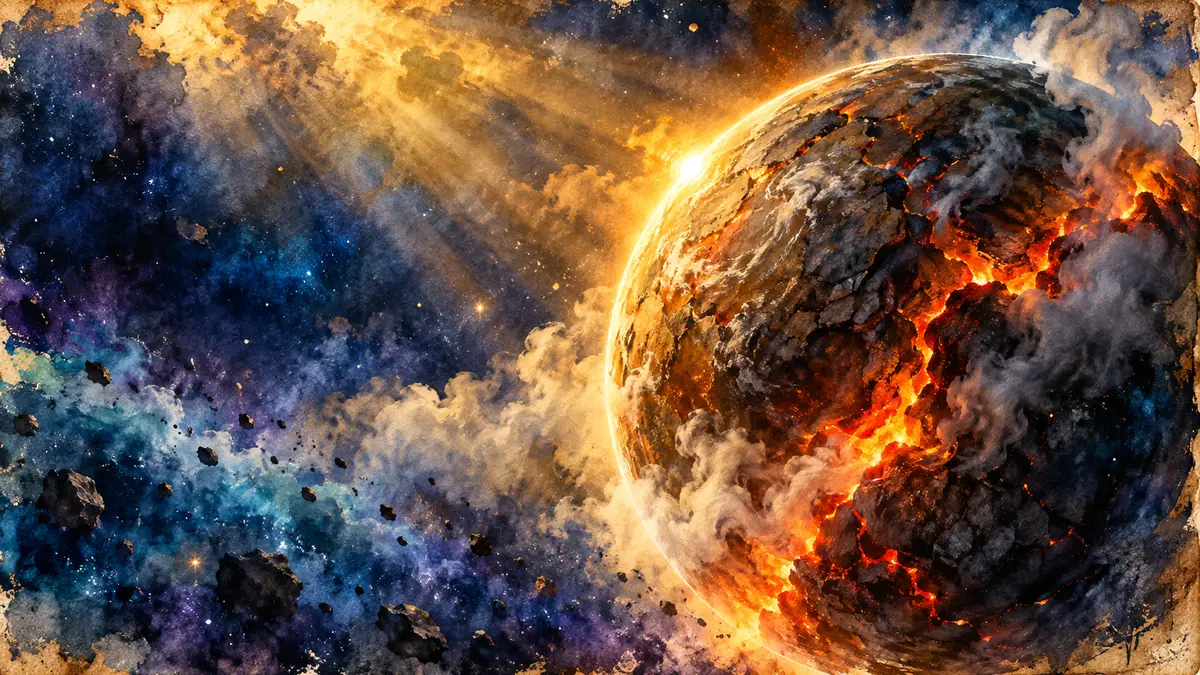 Cosmic Impulse
 A young planet did not become a home overnight. Follow Earth's long cooling and discover how observation helps children imagine changes too slow to witness.
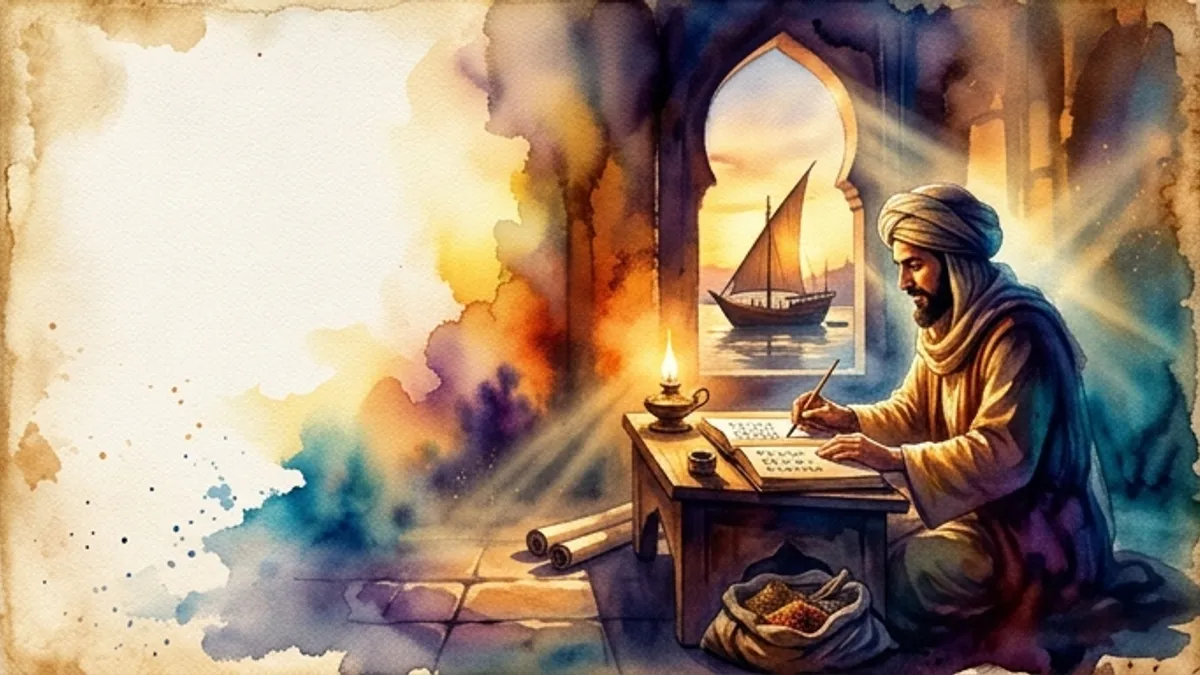 Cosmic Impulse
 Our everyday digits began as signs carved in Indian stone, passed through Baghdad and Florence, and reached our pencils through countless unknown hands.
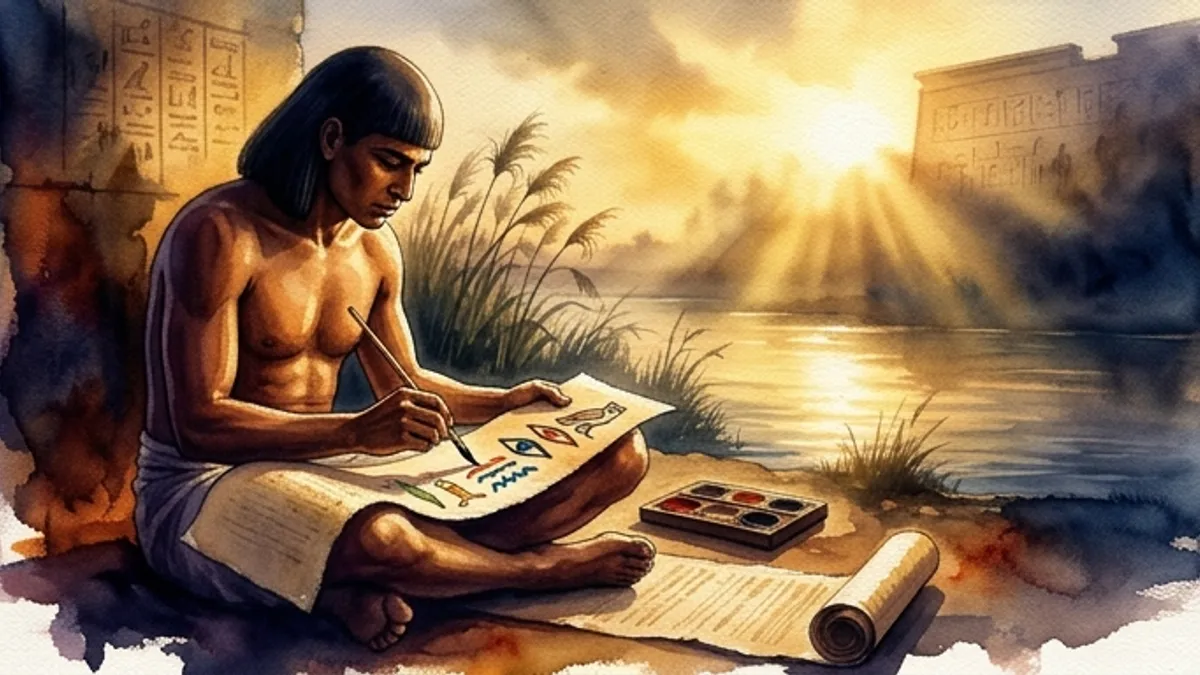 Cosmic Impulse
 Egyptian hieroglyphs could say a thing, an action or a sound. How a forgotten script was read again helps us see a child learning to read with fresh wonder.
 Cosmic Impulse
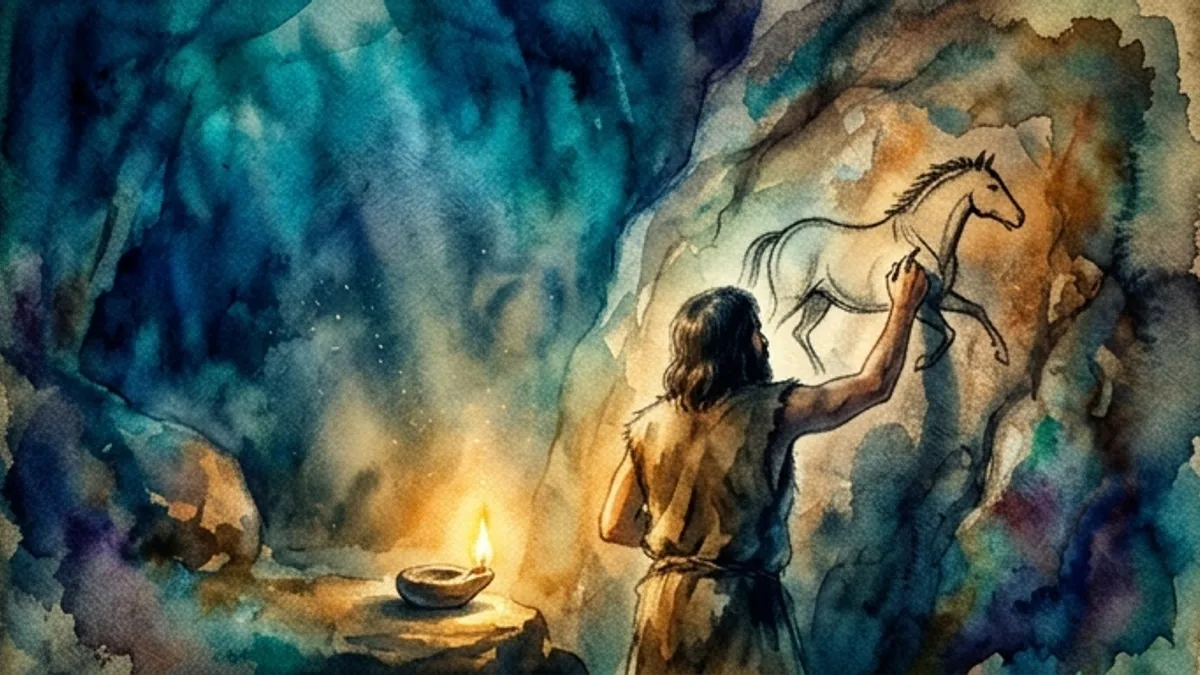
 An ancient animal on stone invites children to look closely, honour uncertainty and give their own remembered images space to emerge.
 Cosmic Impulse
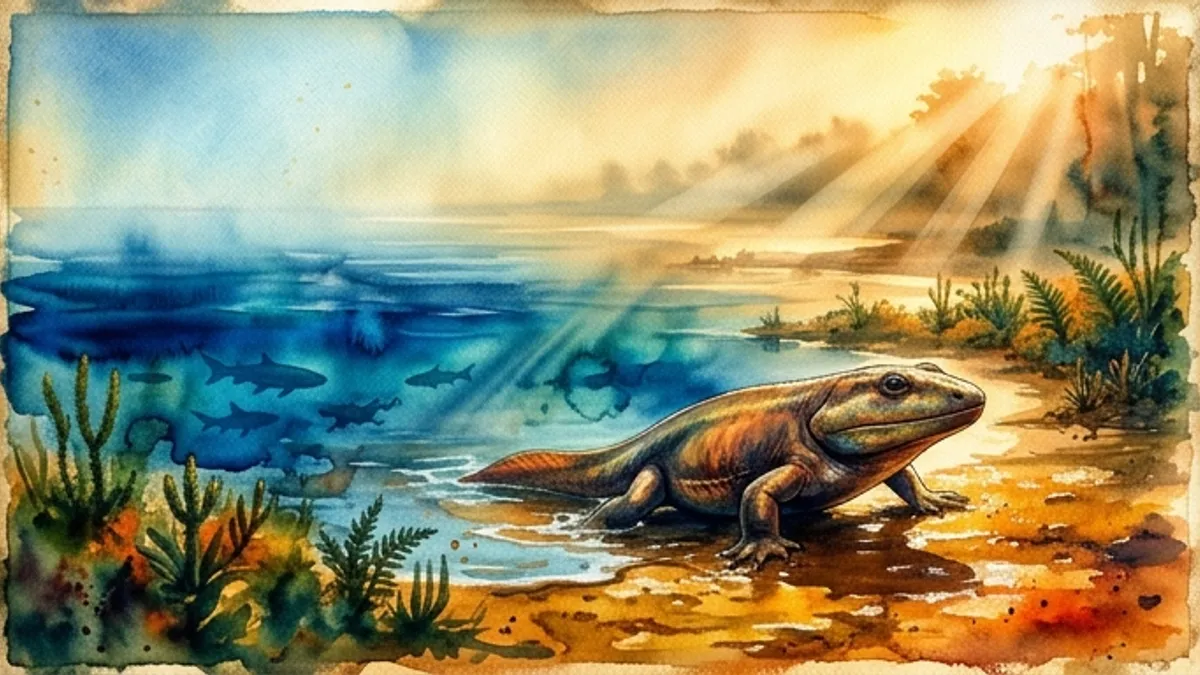
 At a Devonian shoreline, bodies shaped by water met gravity, air, and drying skin. How small inherited changes opened a path onto land over deep time.
 Cosmic Impulse
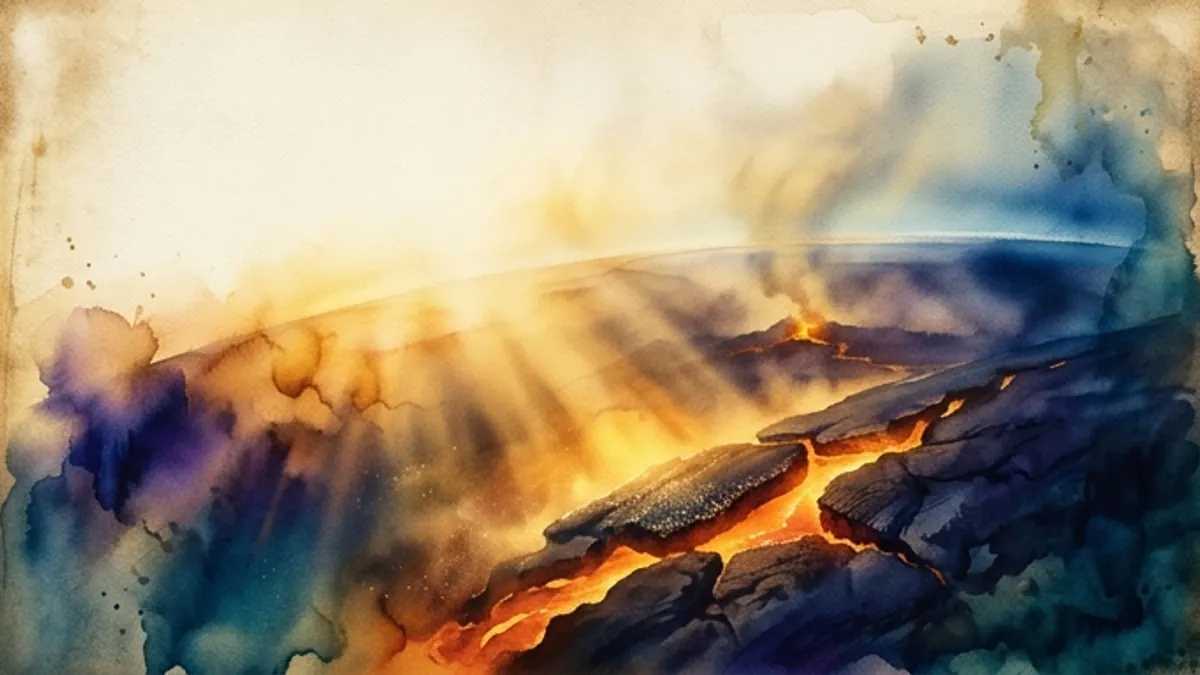
 As the young Earth cooled, molten rock became its first fragile crust. A story of lava, crystals, and the surface that would later hold water and life.
 Cosmic Impulse
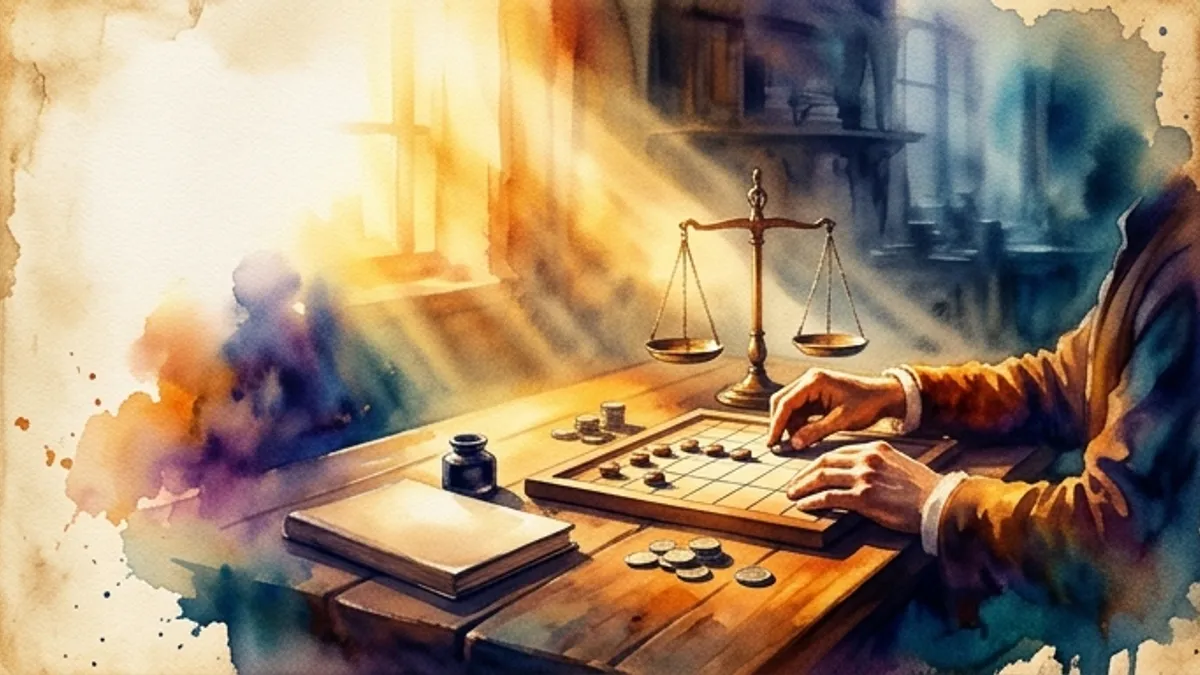
 Roman numerals endured on stone and in ledgers for centuries. Yet when calculation moved onto paper, their stately elegance became a demanding obstacle.
 Cosmic Impulse
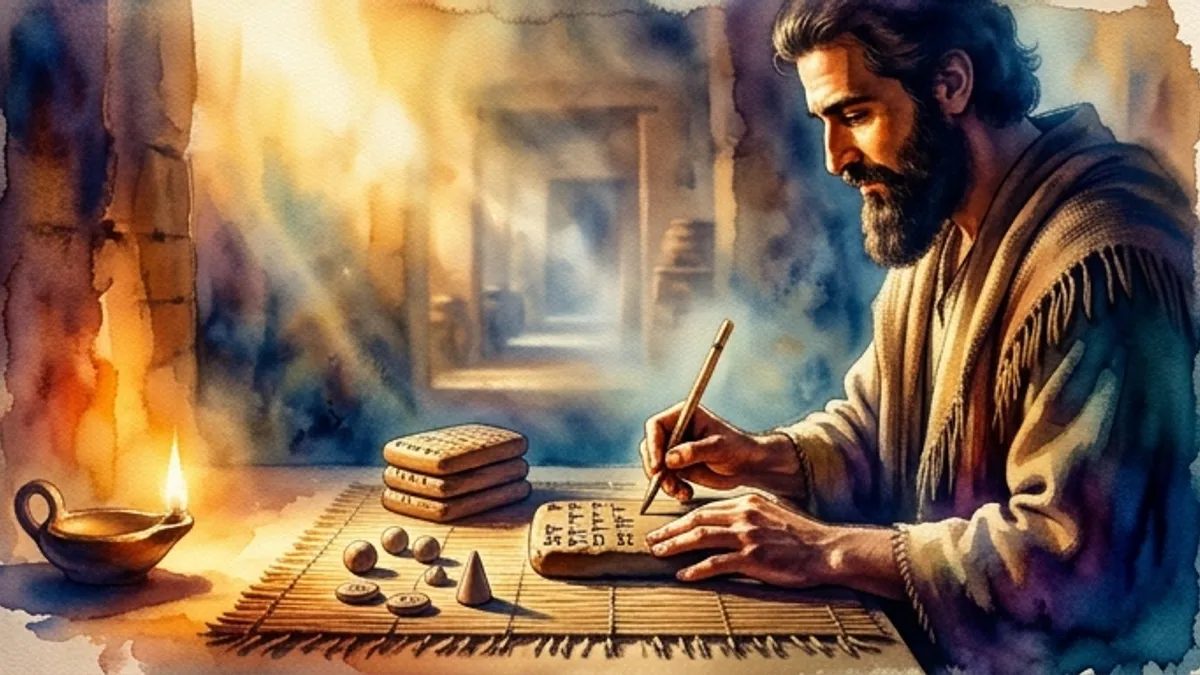
 Before 3200 BCE, Mesopotamian scribes pressed everyday accounts into clay. Their wedge-shaped marks still carry ordinary voices across millennia to us today.
 Cosmic Impulse
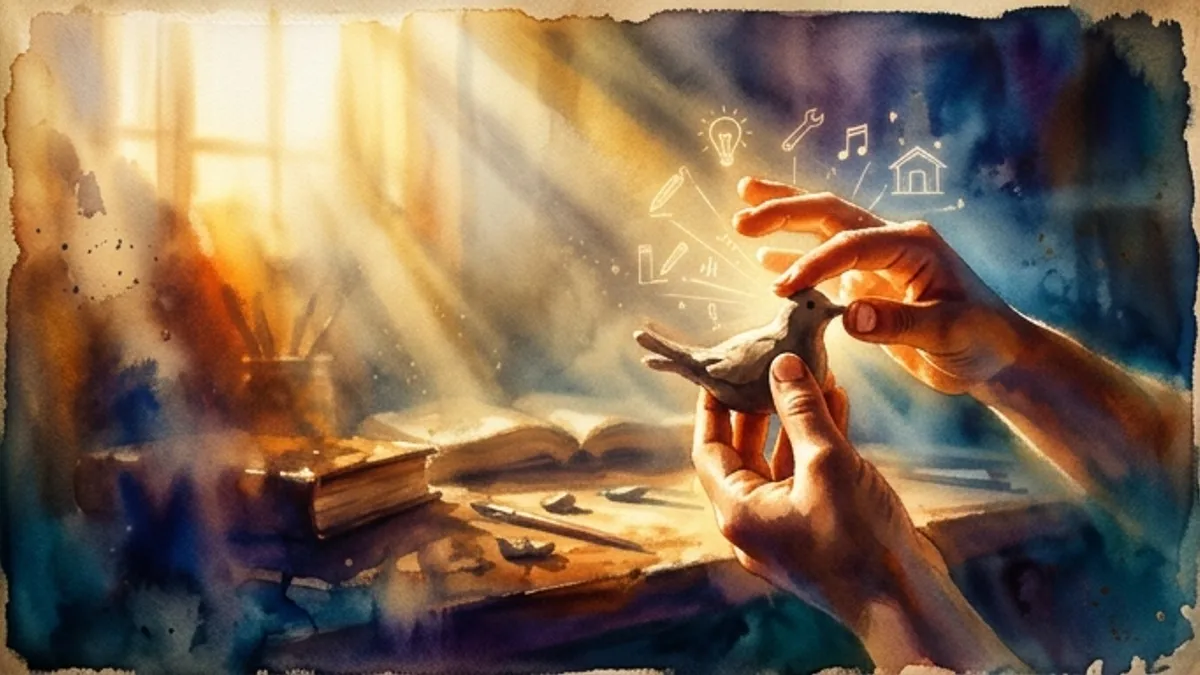
 Our hands do more than hold things: they give ideas a shape. Discover how hand and mind work together in the Third Great Lesson and everyday learning.
 Cosmic Impulse
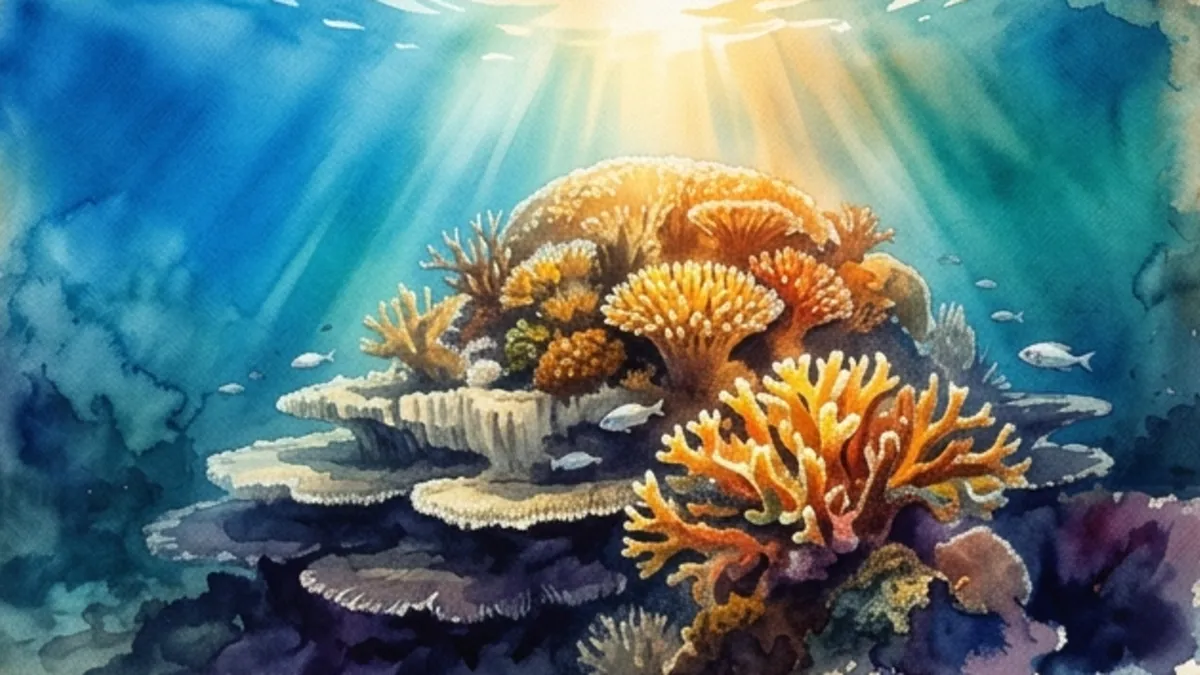
 The largest structure on Earth was raised without an architect or a plan. What corals teach children about building something you will never see finished.
 Cosmic Impulse
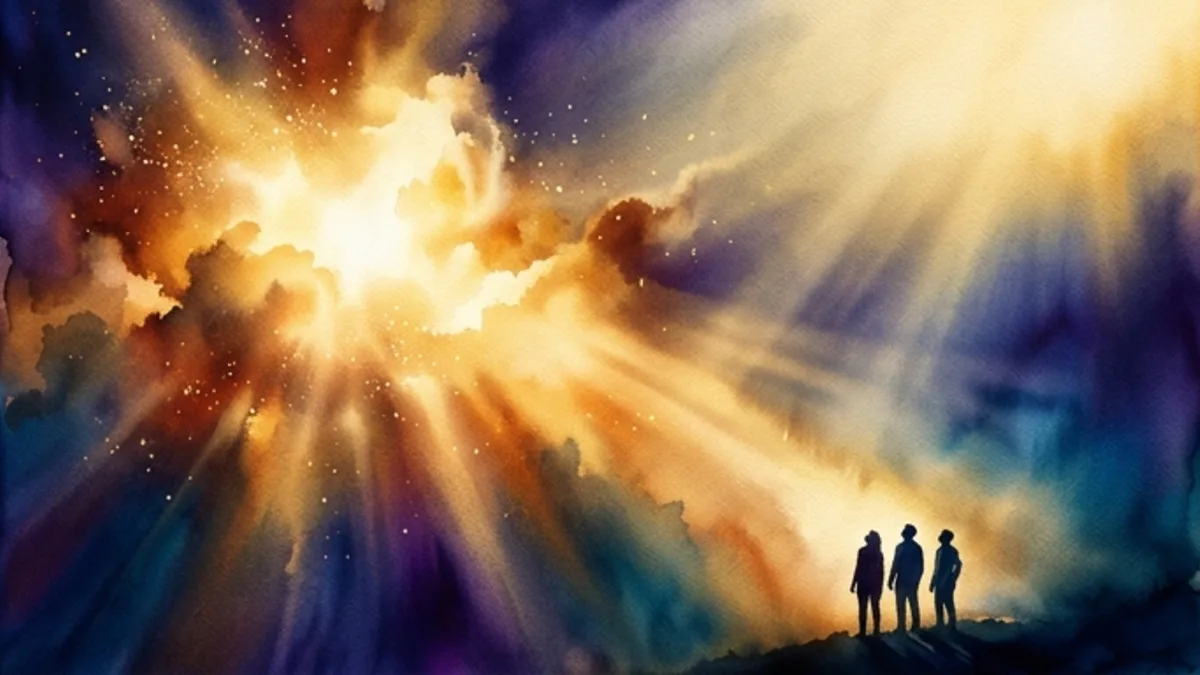
 The First Great Lesson is called “God Who Has No Hands” and deliberately leaves its question open. Why that openness is what gives children real wonder.
 Cosmic Impulse
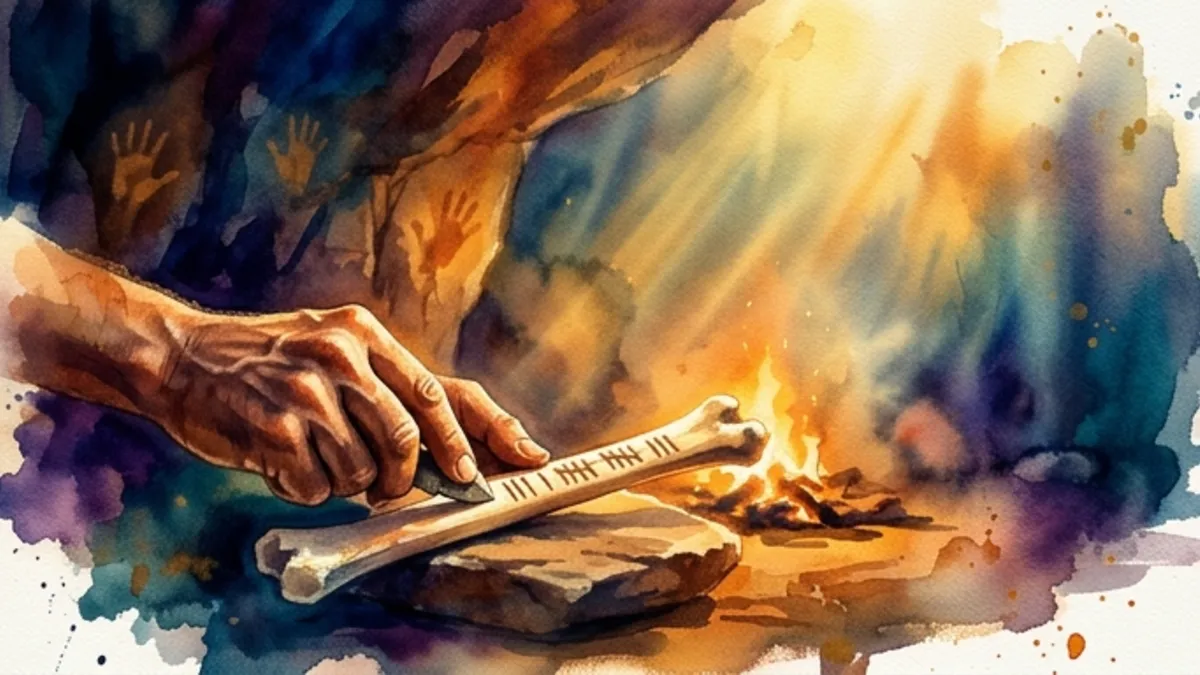
 Roughly 42,000 years ago someone cut 29 notches into a bone. It is the oldest surviving mathematical object — and it changes how children see numbers.
 Cosmic Impulse
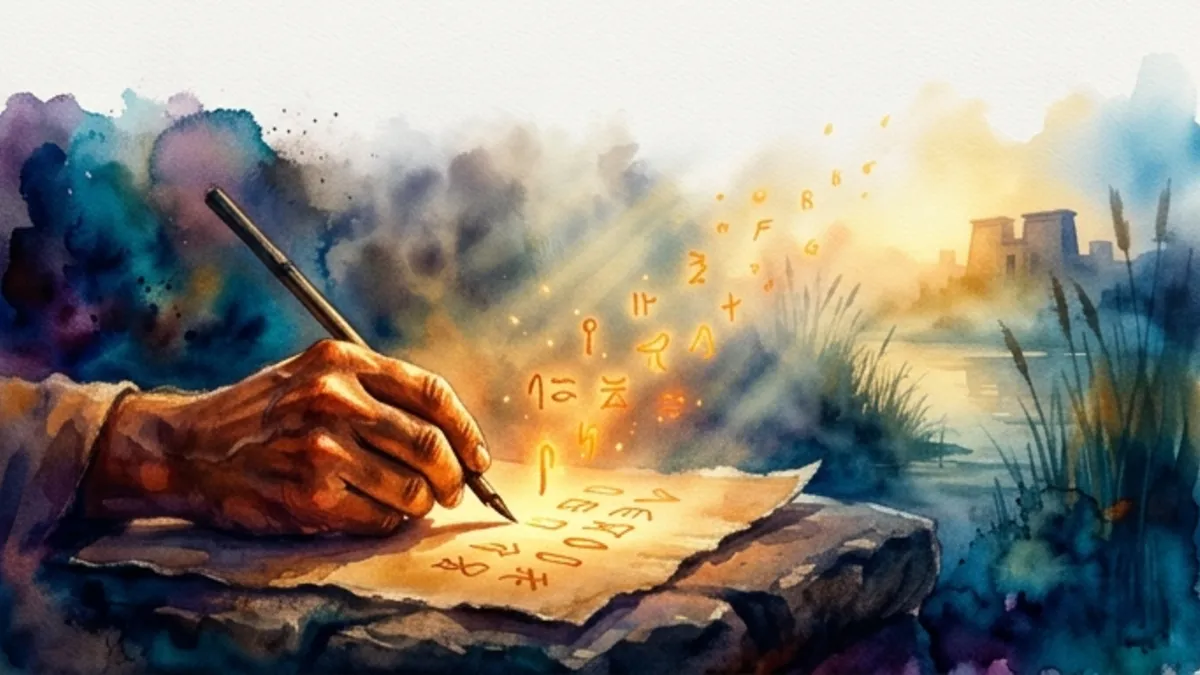
 A spoken word lives a single breath; a written one waits a thousand years to be read — how writing carries one thought across whole centuries.
 Cosmic Impulse
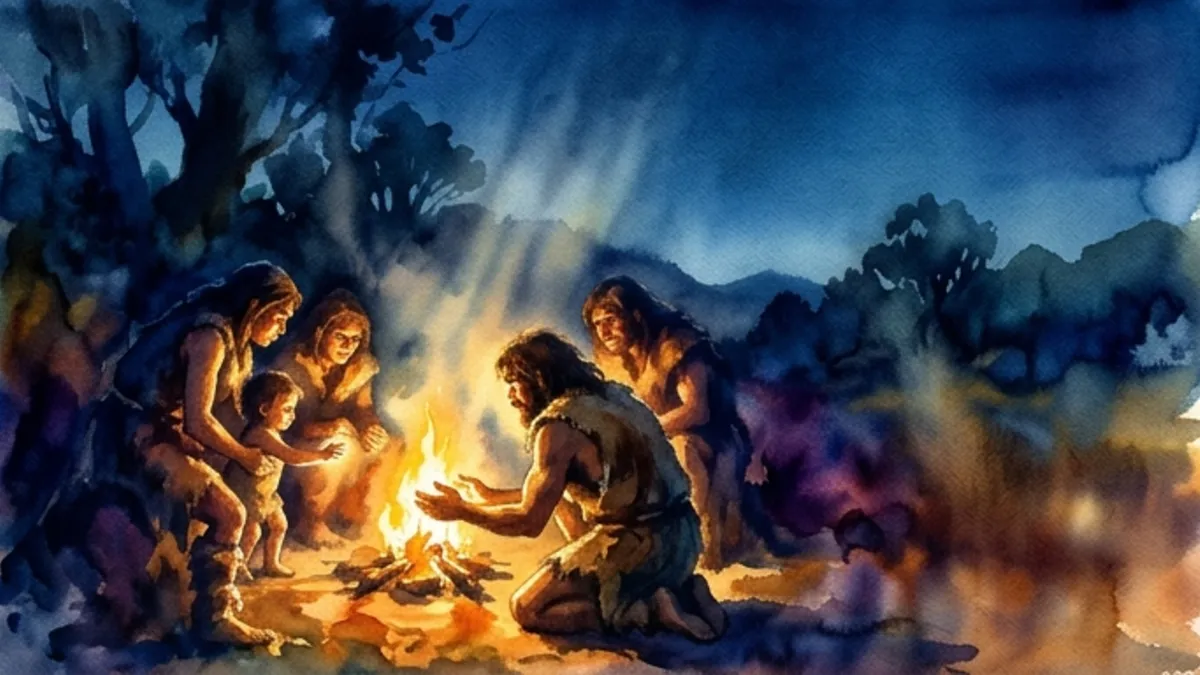
 When early humans tamed fire, the fearful dark became a bright circle of warmth, safety and togetherness — the first place people could truly call home.
 Cosmic Impulse
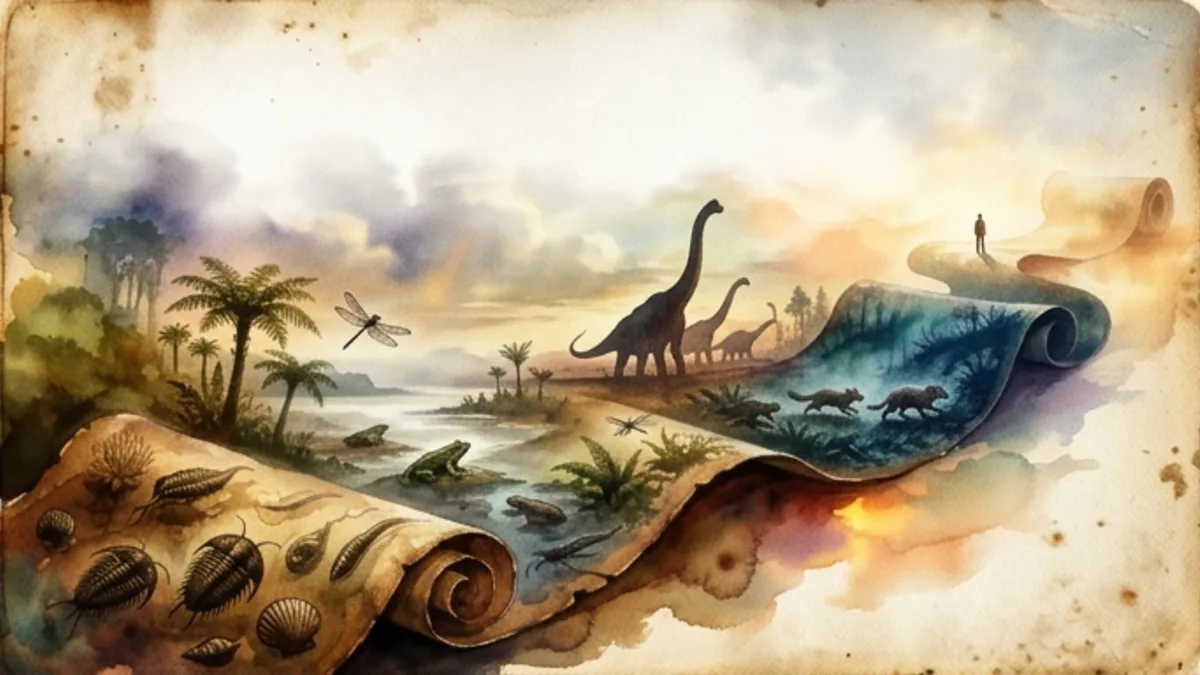
 An unrolled Timeline of Life makes millions of years graspable — and shows that humans stand only at the very far, narrow end of a very long story of life.
 Cosmic Impulse
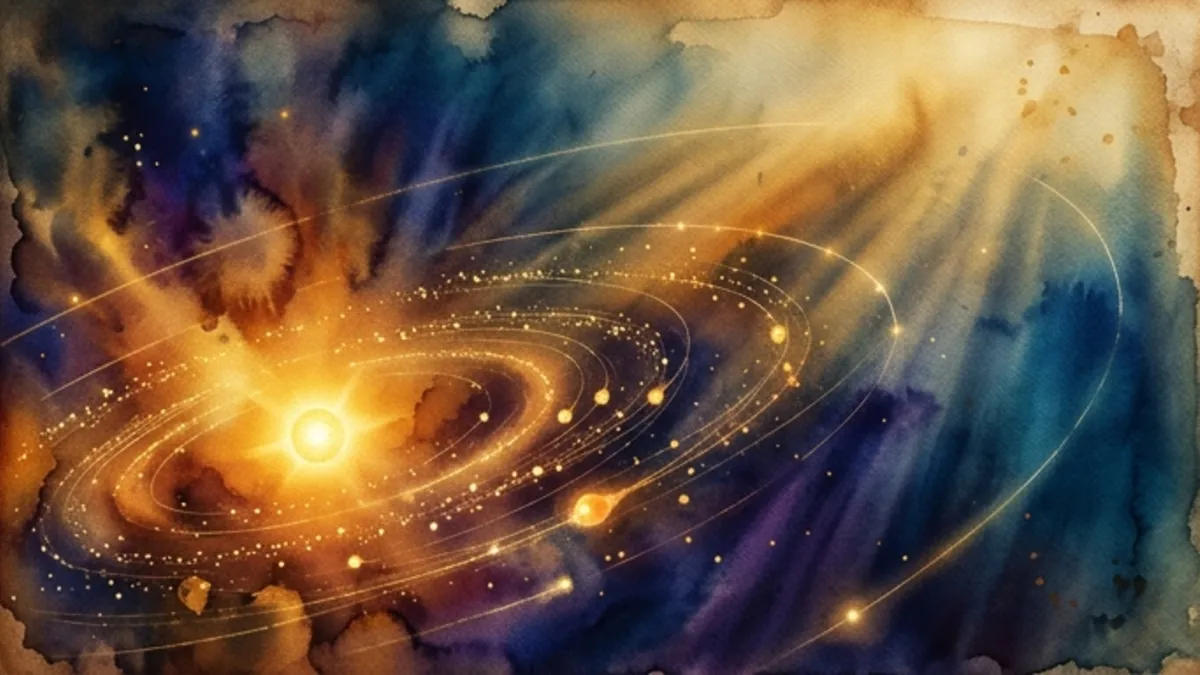
 Stars race freely through space and yet keep to invisible laws. Why this quiet moment of the First Great Lesson gives children trust, order and belonging.
 Cosmic Impulse
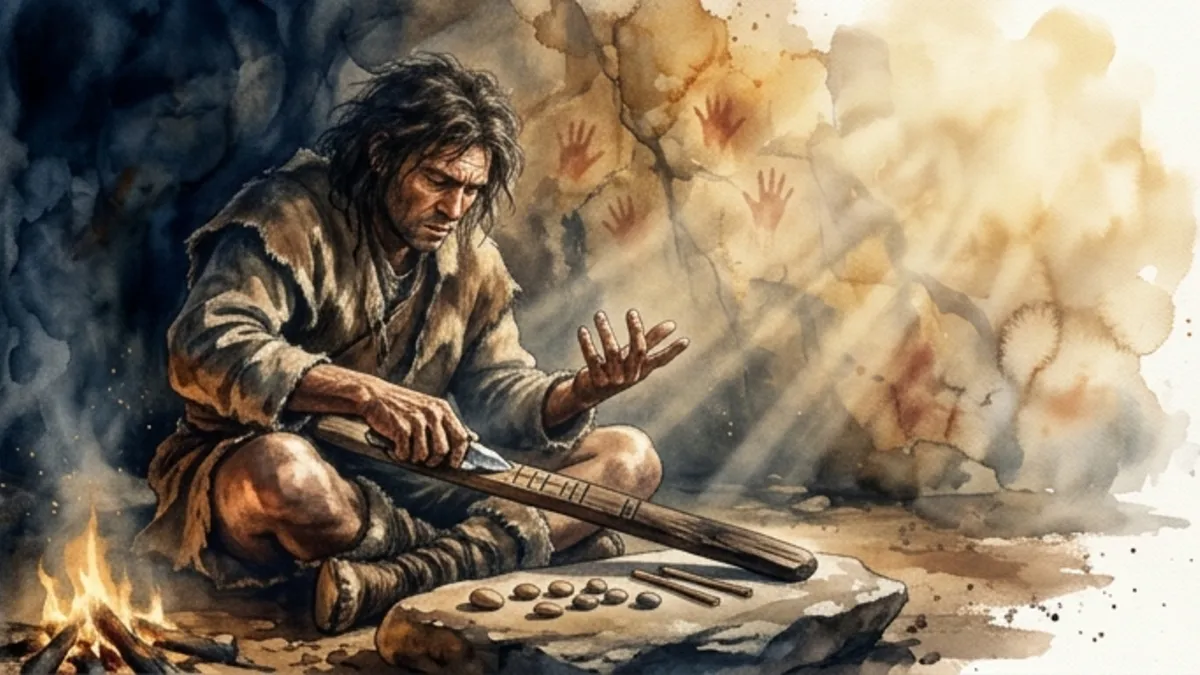
 Long before numerals, people already counted with fingers, pebbles and notches in wood. How the everyday need for quantities gave birth to mathematics.
 Cosmic Impulse
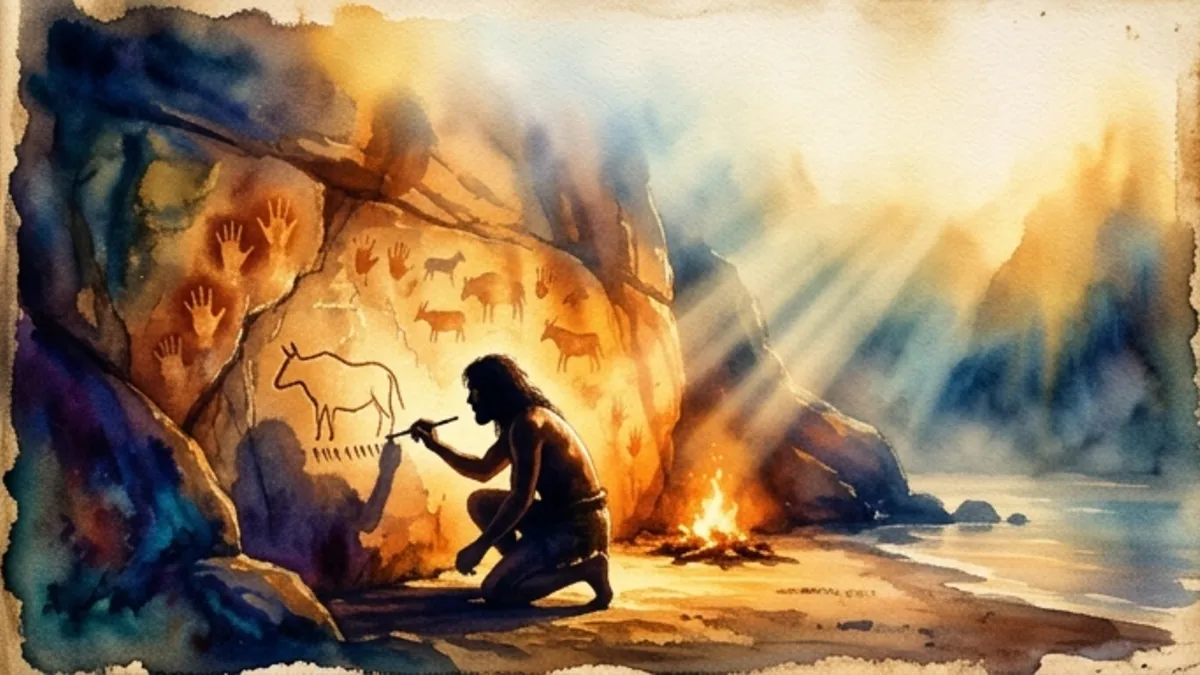
 Long before the first letter, a human pressed a picture into stone, and a thought outlived the moment it was spoken: the quiet dawn of writing.
 Cosmic Impulse
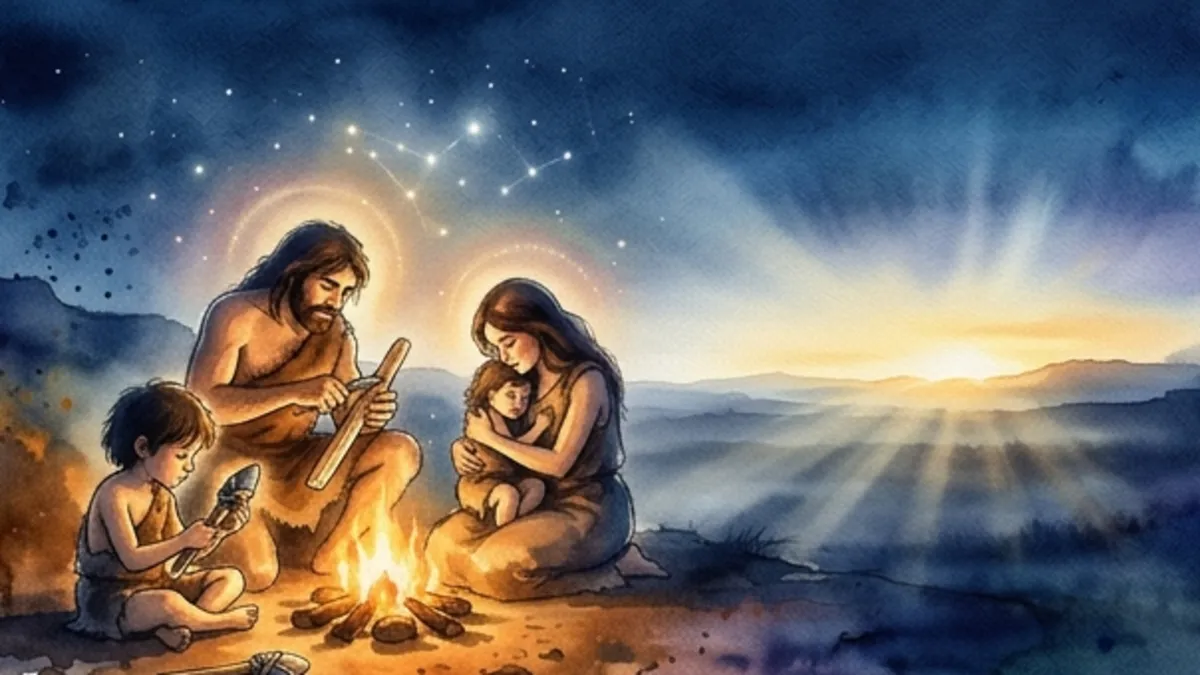
 Hands, mind and love: the Third Great Lesson shows children how human gifts become service, responsibility and care for the living world.
 Cosmic Impulse
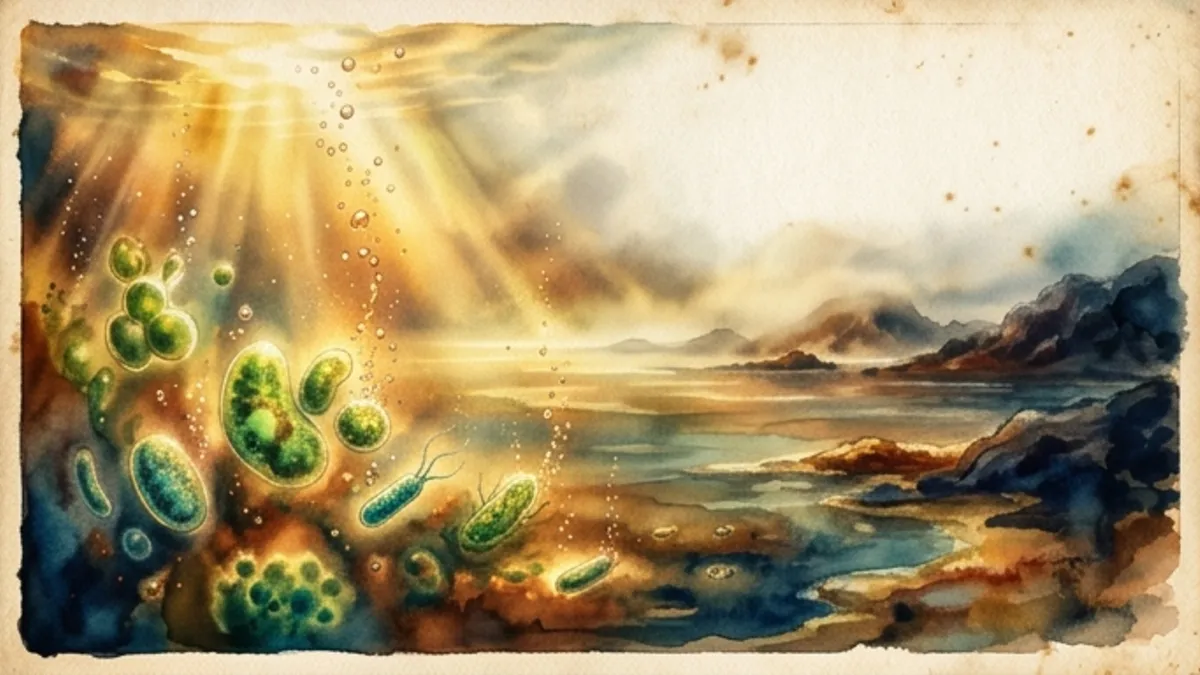
 Tiny green life turned sunlight into food and slowly filled Earth with oxygen. A cosmic impulse about hidden work that prepared every breath we take today.
 Cosmic Impulse
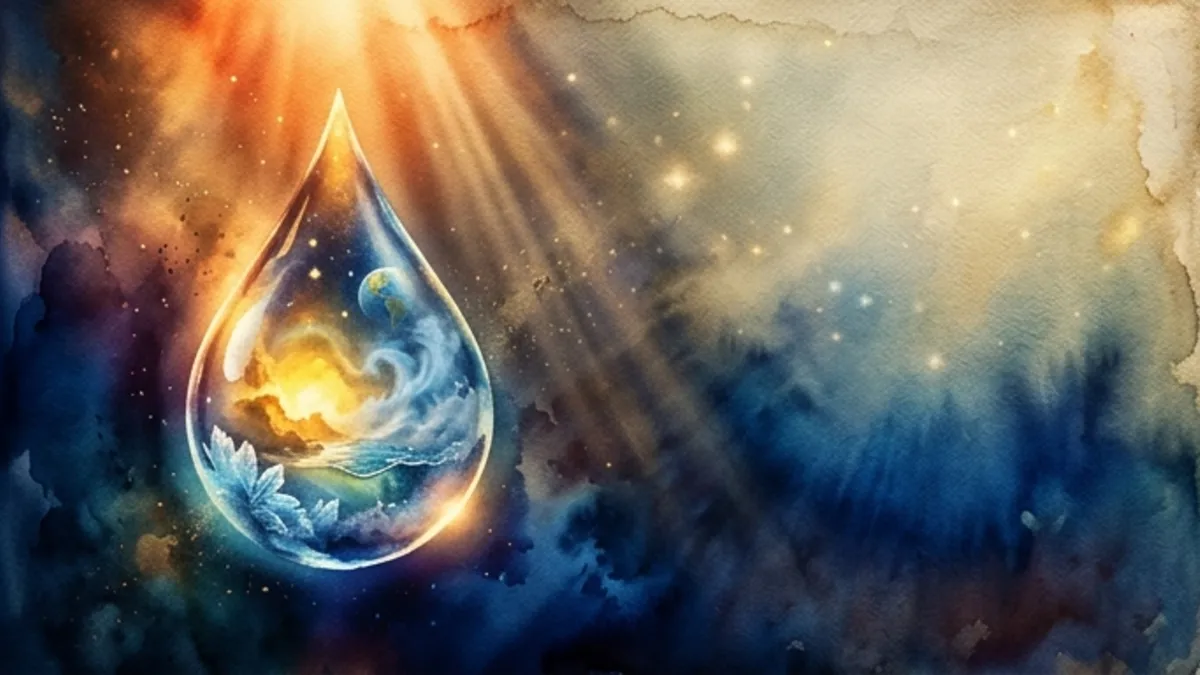
 A drop of water lets children meet heat, cold and transformation: ice, liquid and vapour become a small doorway into the First Great Lesson and Earth story.
 Cosmic Impulse
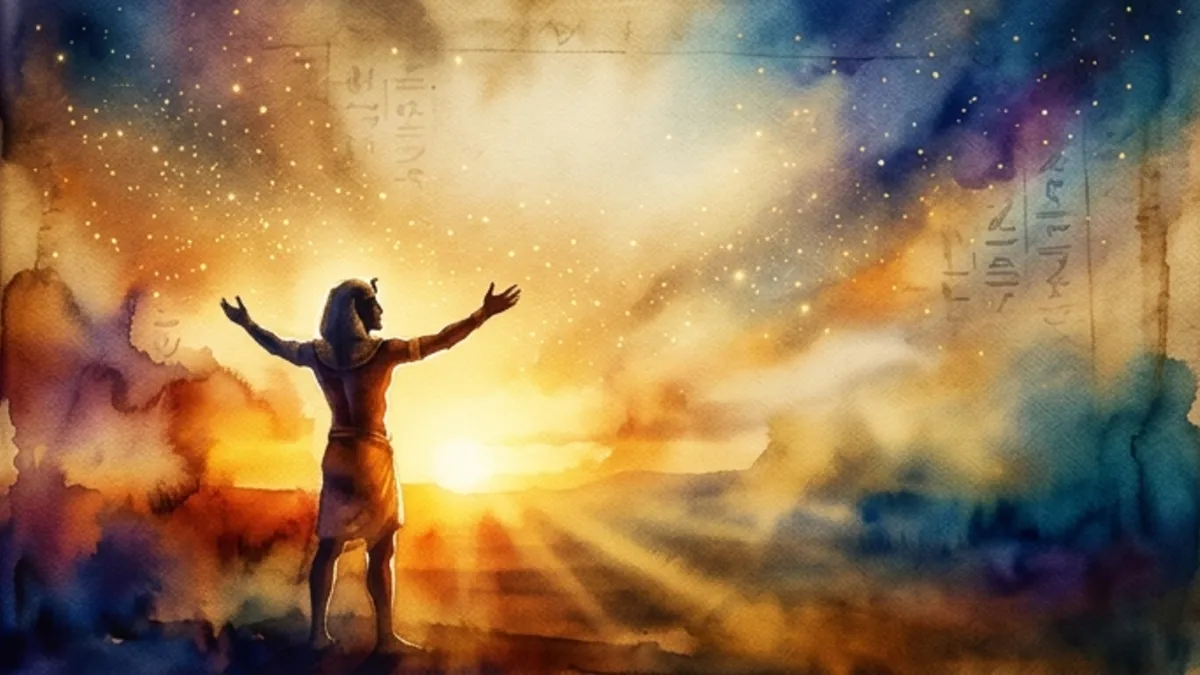
 How do you write a number too large to picture? The ancient Egyptians gave a million its own sign — a person with both arms flung wide open to the sky.
 Cosmic Impulse
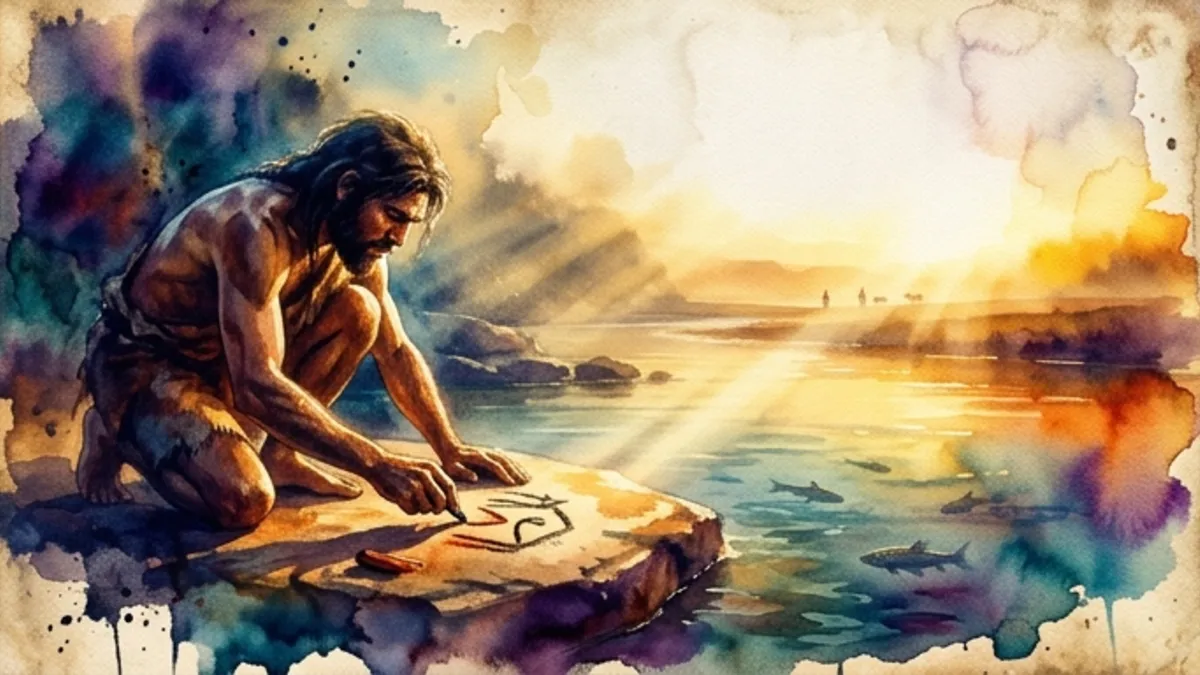
 What changes when a drawing can speak after the voice is gone? A cosmic impulse on the first lasting message in the history of writing for children today.
 Cosmic Impulse
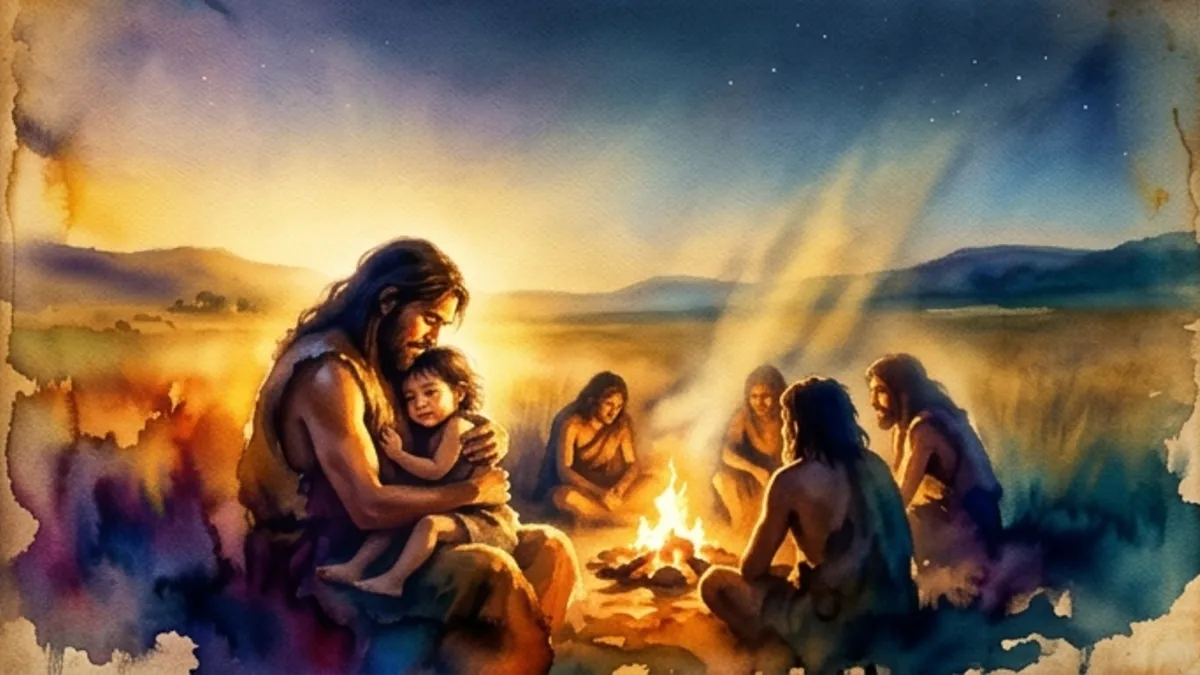
 At the very end of the Earth's long story came a being that could truly turn toward another. Why this is the third tale's quietest and greatest gift.
 Cosmic Impulse
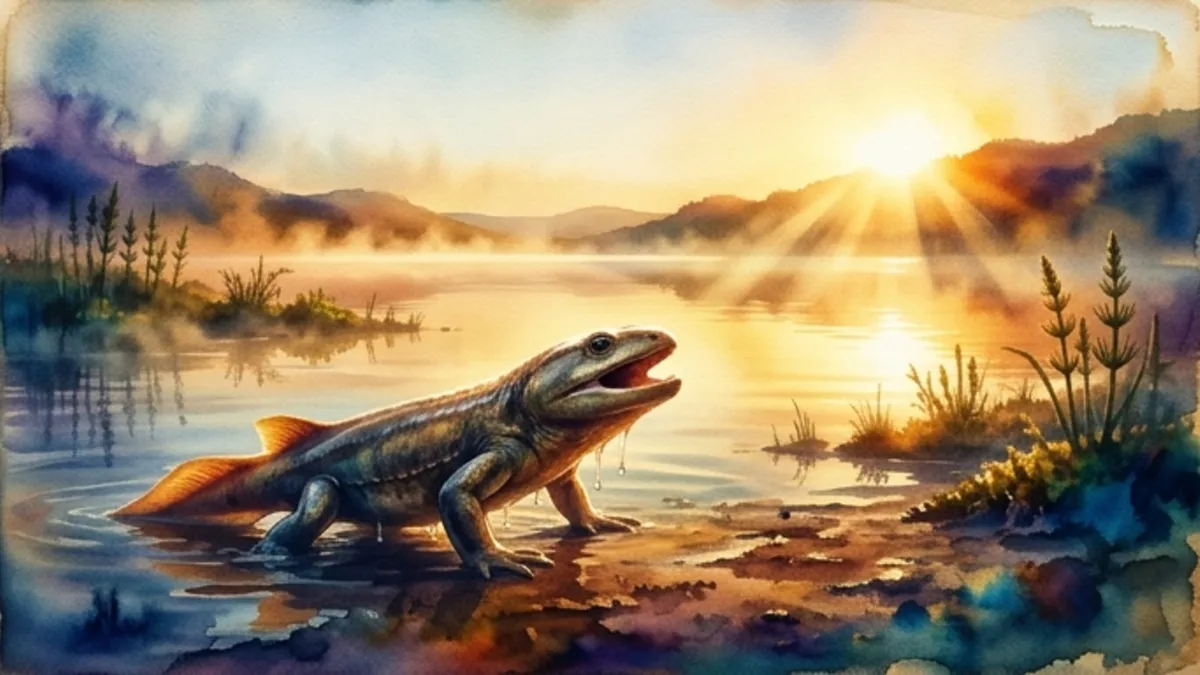
 How the first amphibian breath on land gave silence a living voice, inviting children to hear frogs, crickets and every small call as ancient history.
 Cosmic Impulse
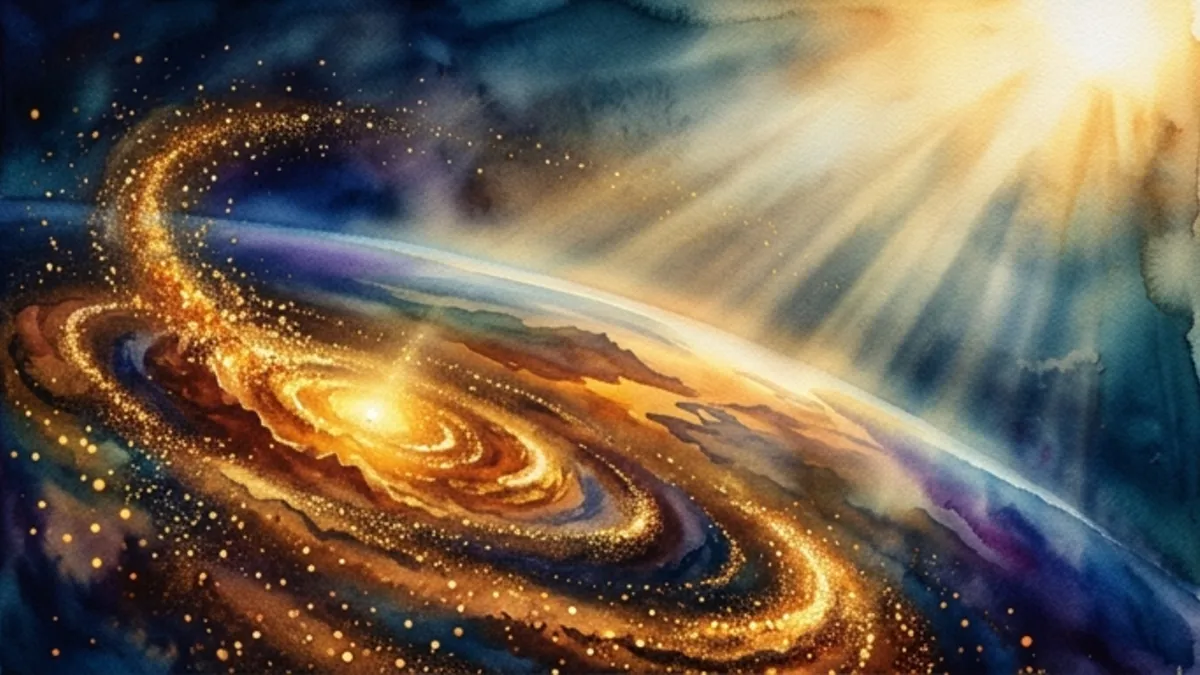
 How particles, heat and cooling helped the young Earth find order, inviting children to see slow patterns as the beginning of mountains, seas and soil.
 Cosmic Impulse
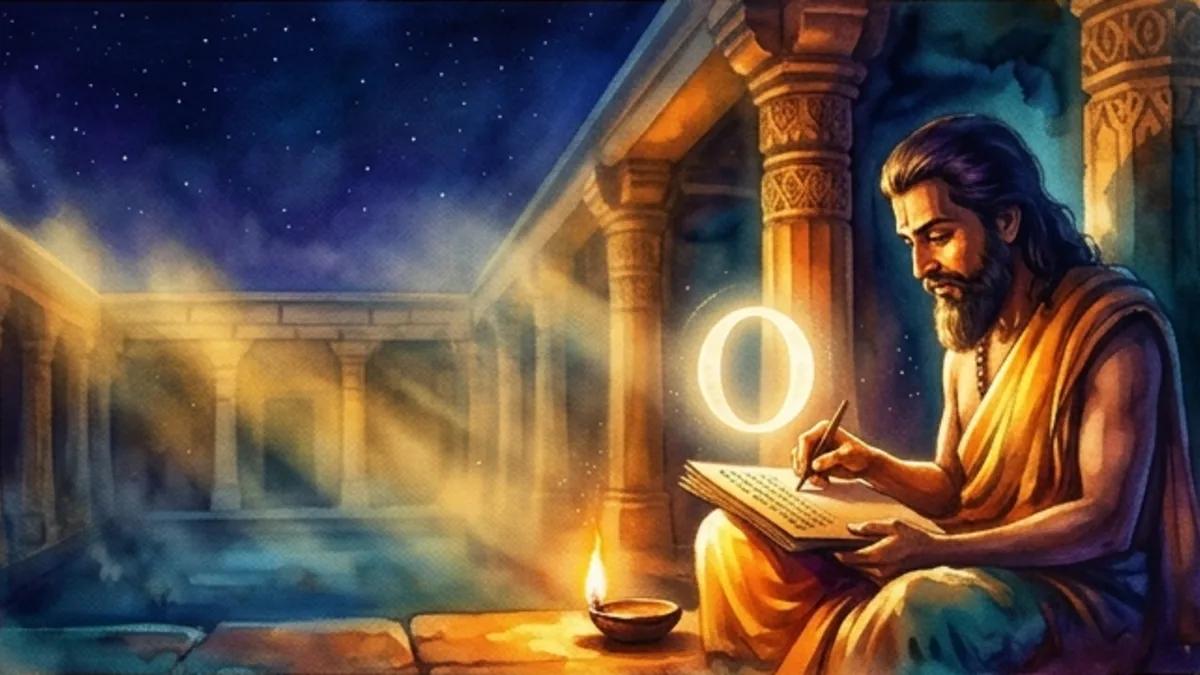
 How zero gave absence a visible place, protected each digit's value, and helps children meet mathematics as a human story of need, travel and imagination.
 Cosmic Impulse
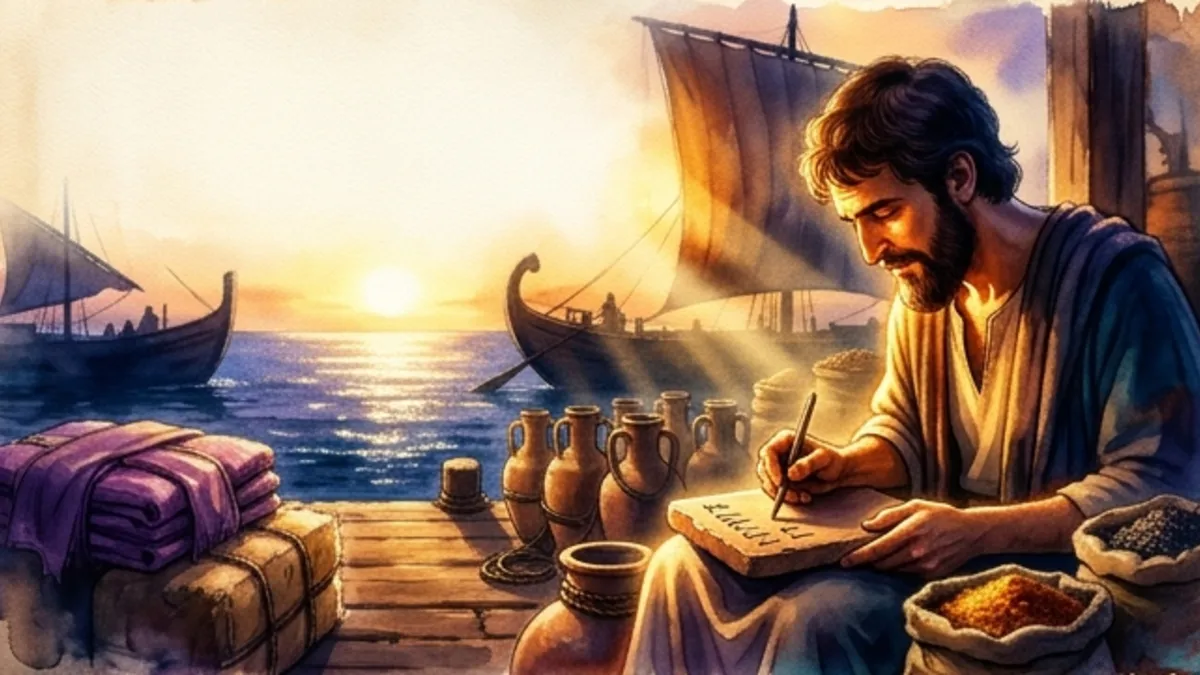
 How the alphabet turned pictures into sound marks, and why one sign for each sound helps children see writing as a shared human gift, not just schoolwork.
 Cosmic Impulse
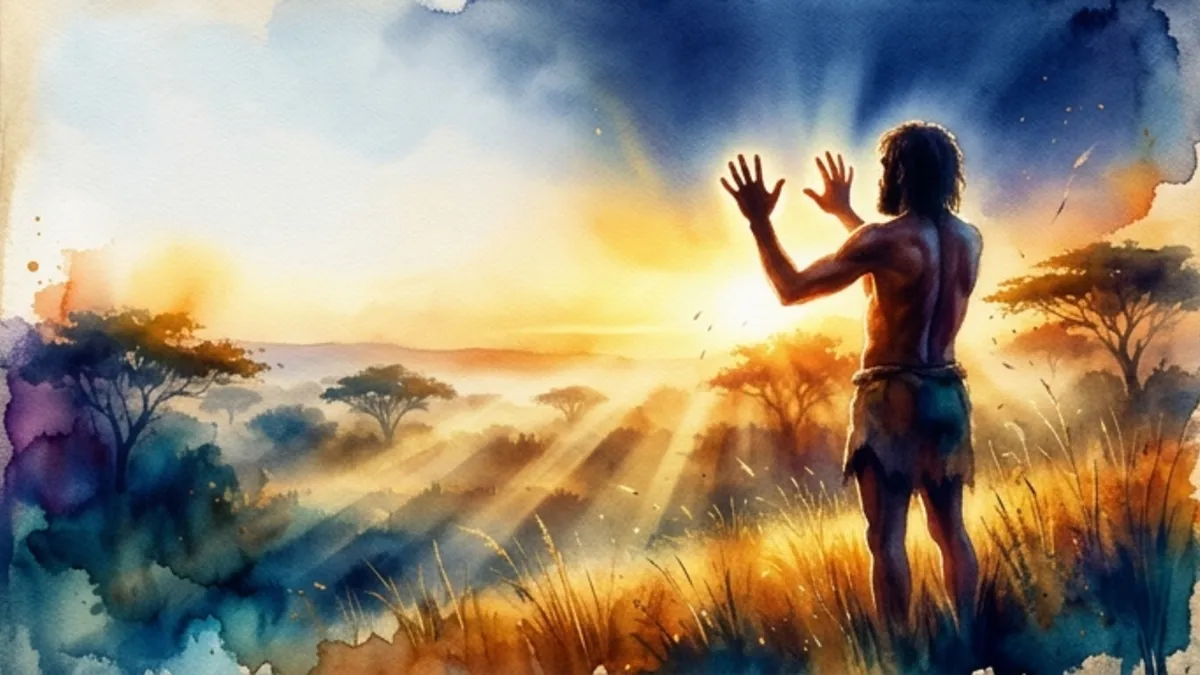
 When a creature first stood upright, two hands came free — and with them every house, violin and written word. The Third Great Lesson and the hand of the mind.
 Cosmic Impulse
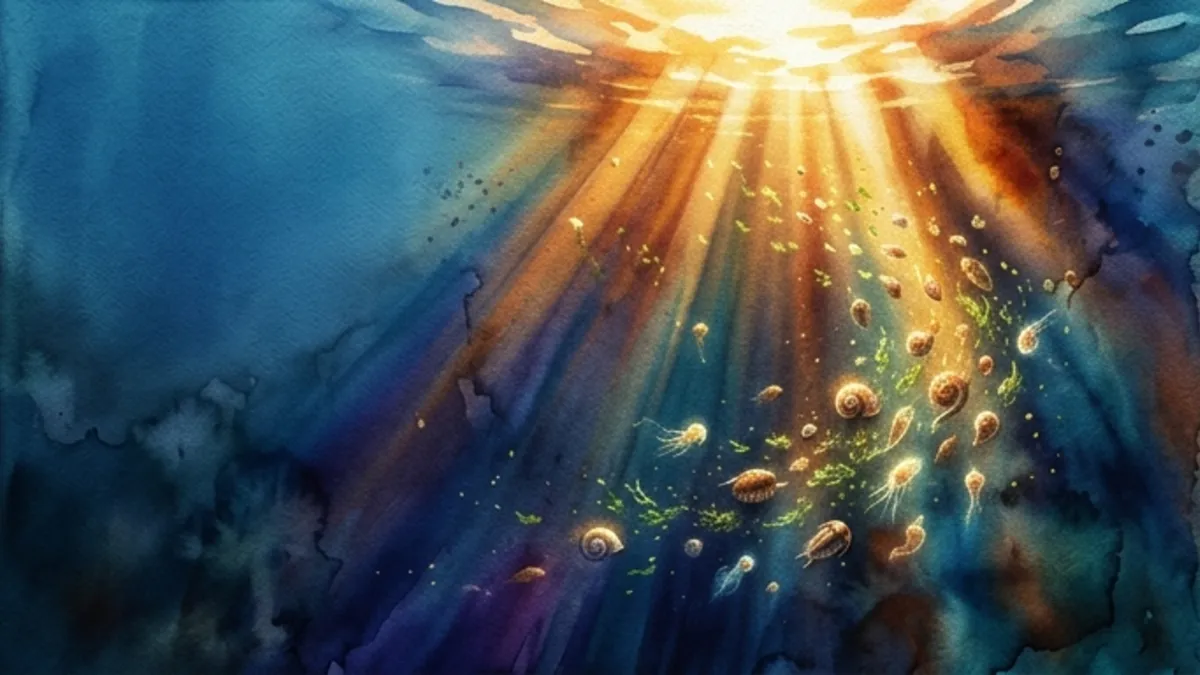
 When the young Earth's seas tipped out of balance, rescue came not from sun or storm but from creatures too small to see — the heart of the Second Great Lesson.
 Cosmic Impulse
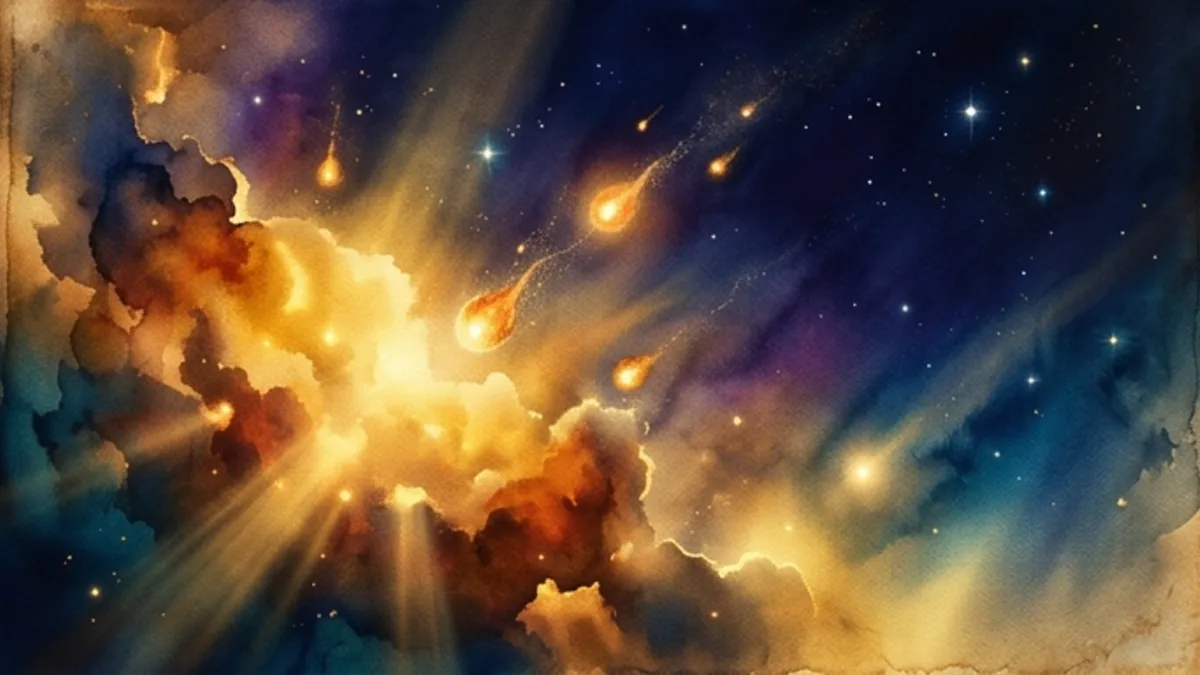
 Before any eye existed to see it, light broke open the dark and the first stars flared — the astonishing beginning the First Great Lesson gives children.
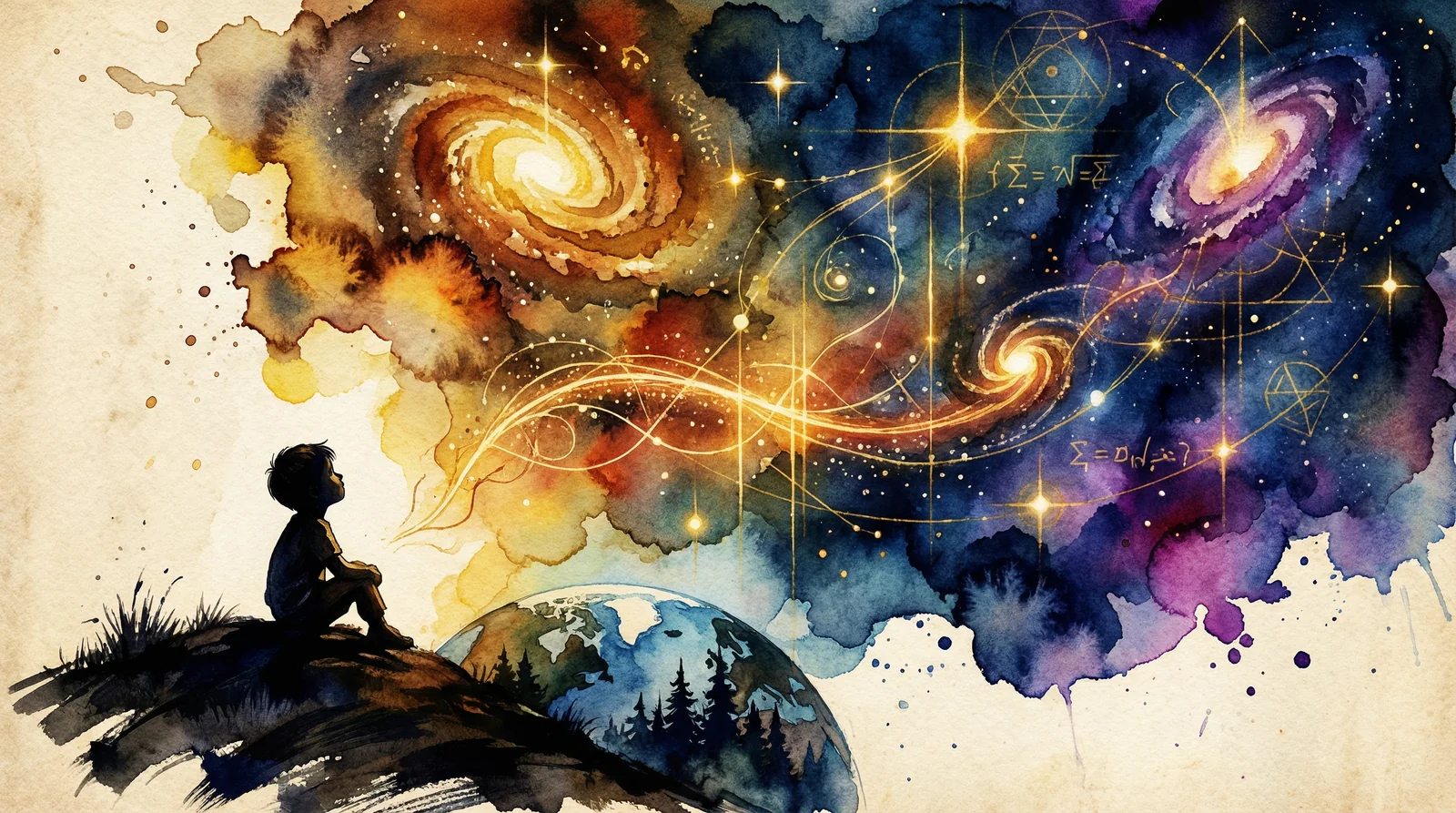
A comprehensive introduction to Maria Montessori's Cosmic Education – philosophy, methodology, and practical implementation.
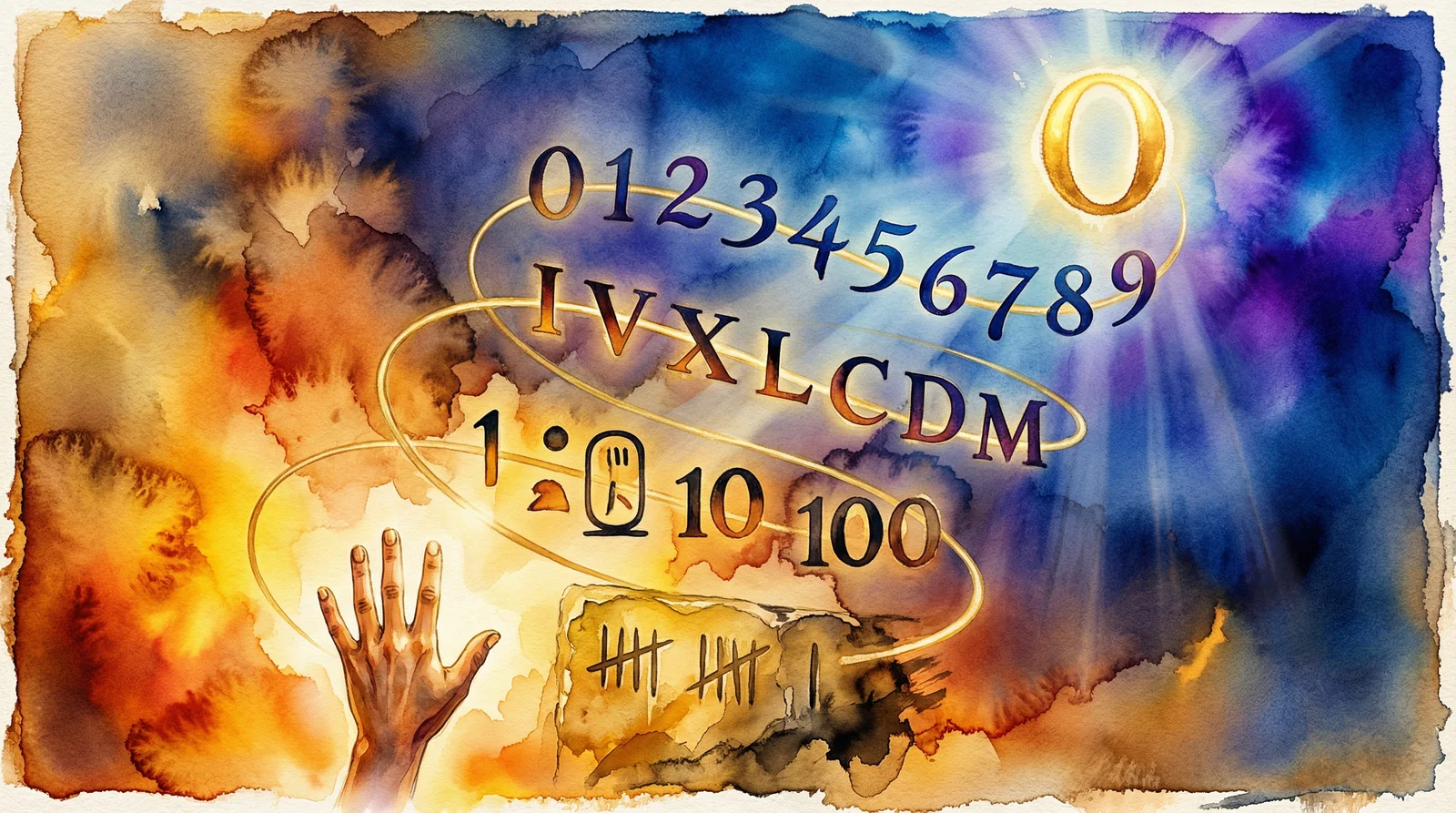
From counting stones to mathematics – the Fifth Great Lesson makes the development of numbers come alive for children.
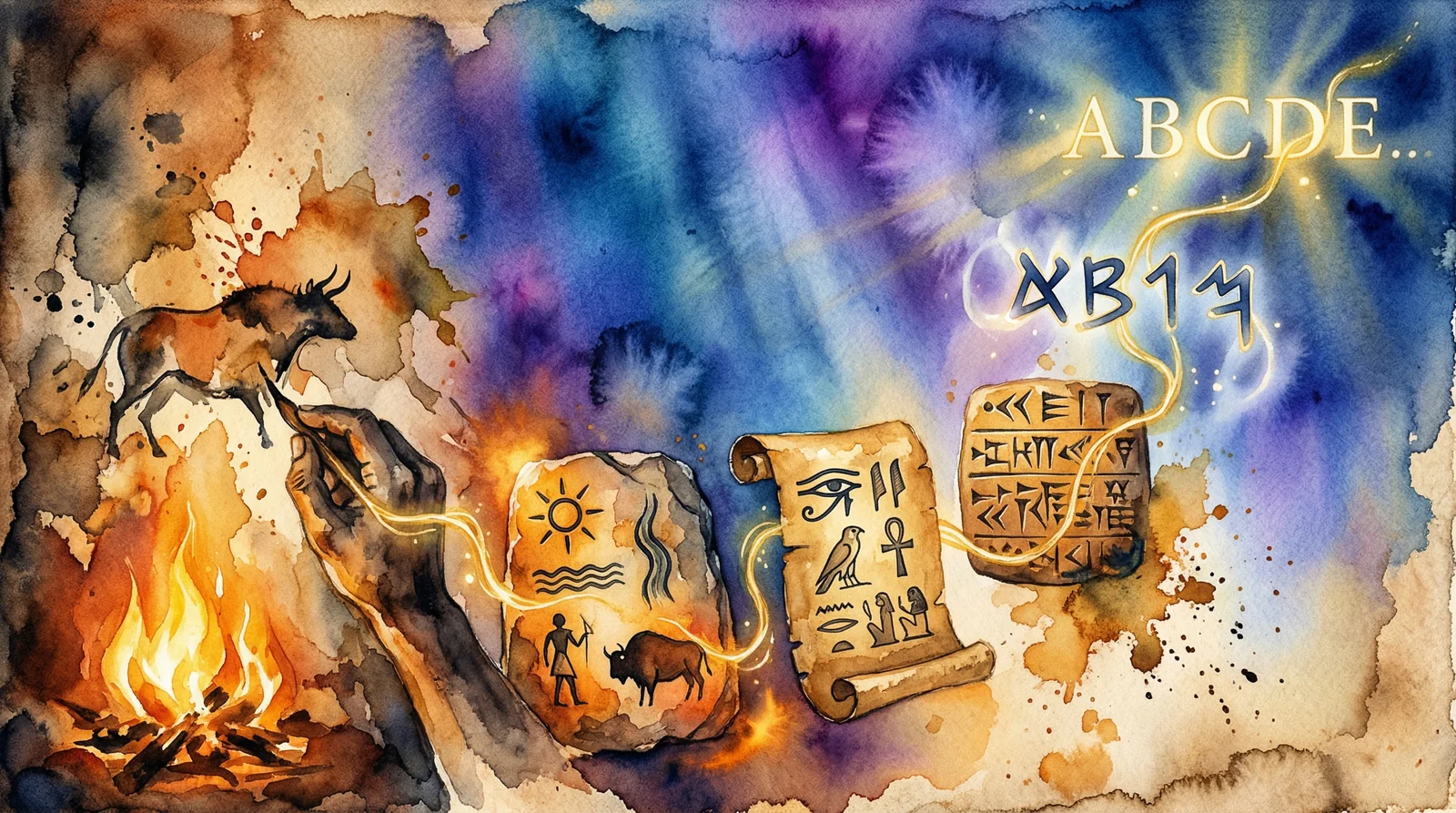
From cave paintings to alphabets – the Fourth Great Lesson shows children how writing preserves knowledge across generations.
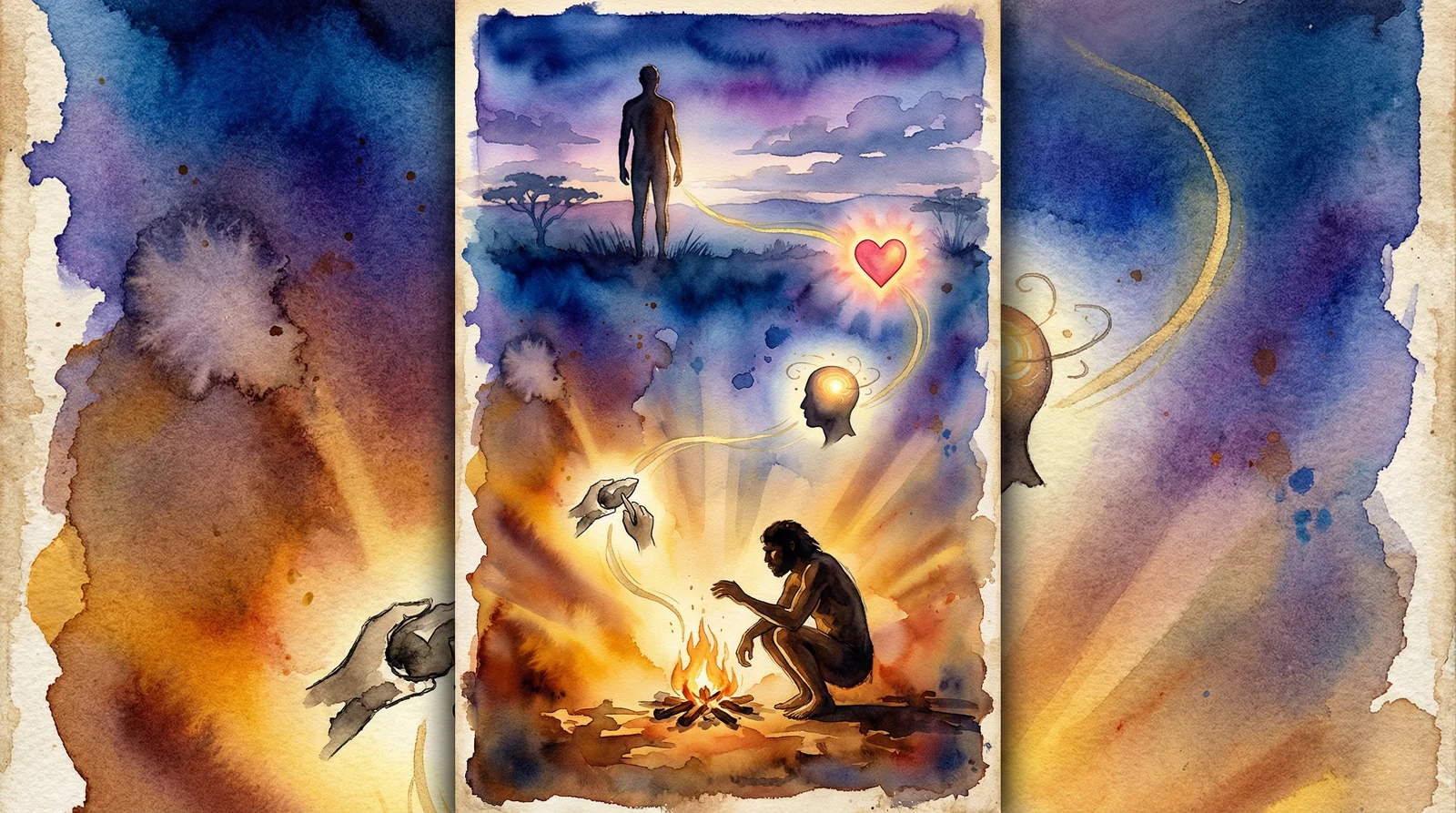
The Third Great Lesson of Cosmic Education tells the story of humanity – tools, language, and our cosmic task.
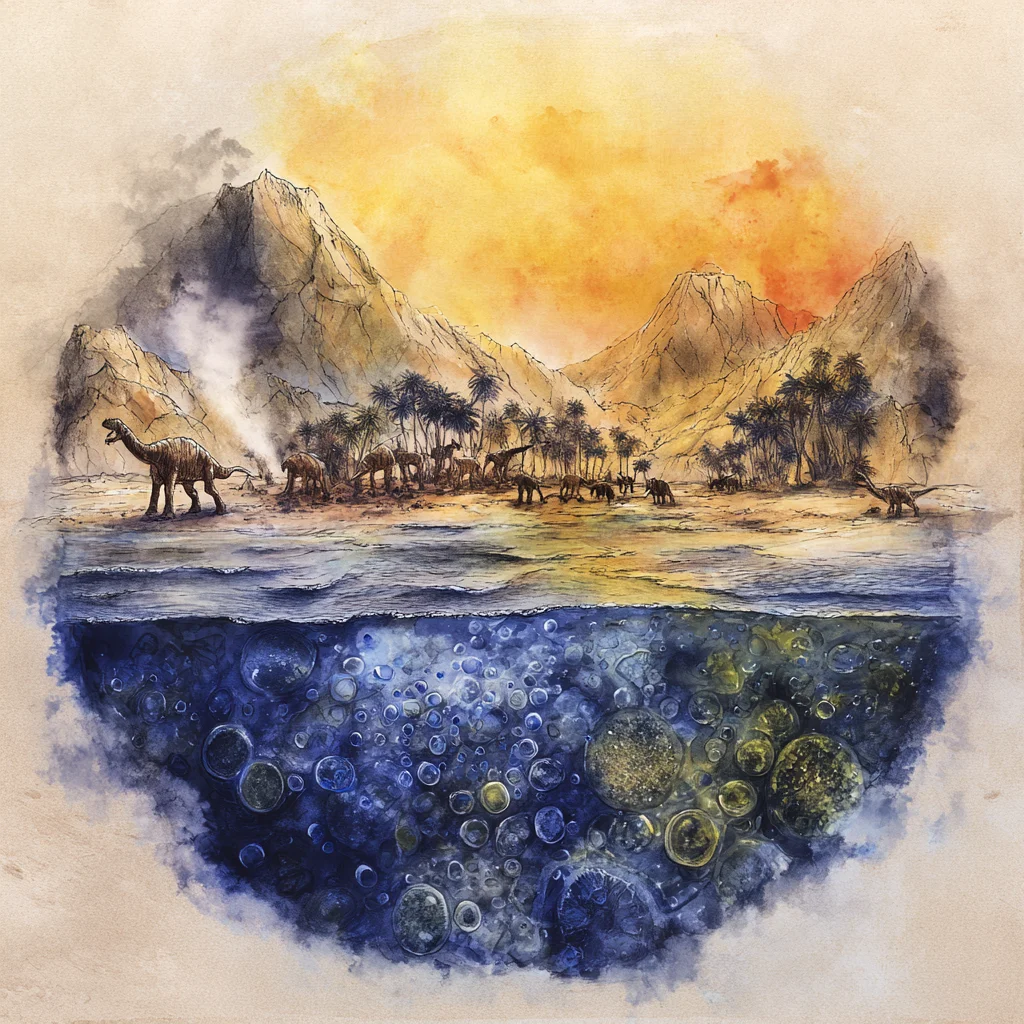
From the first cells to the diversity of nature – the Second Great Lesson of Cosmic Education makes evolution tangible for children.
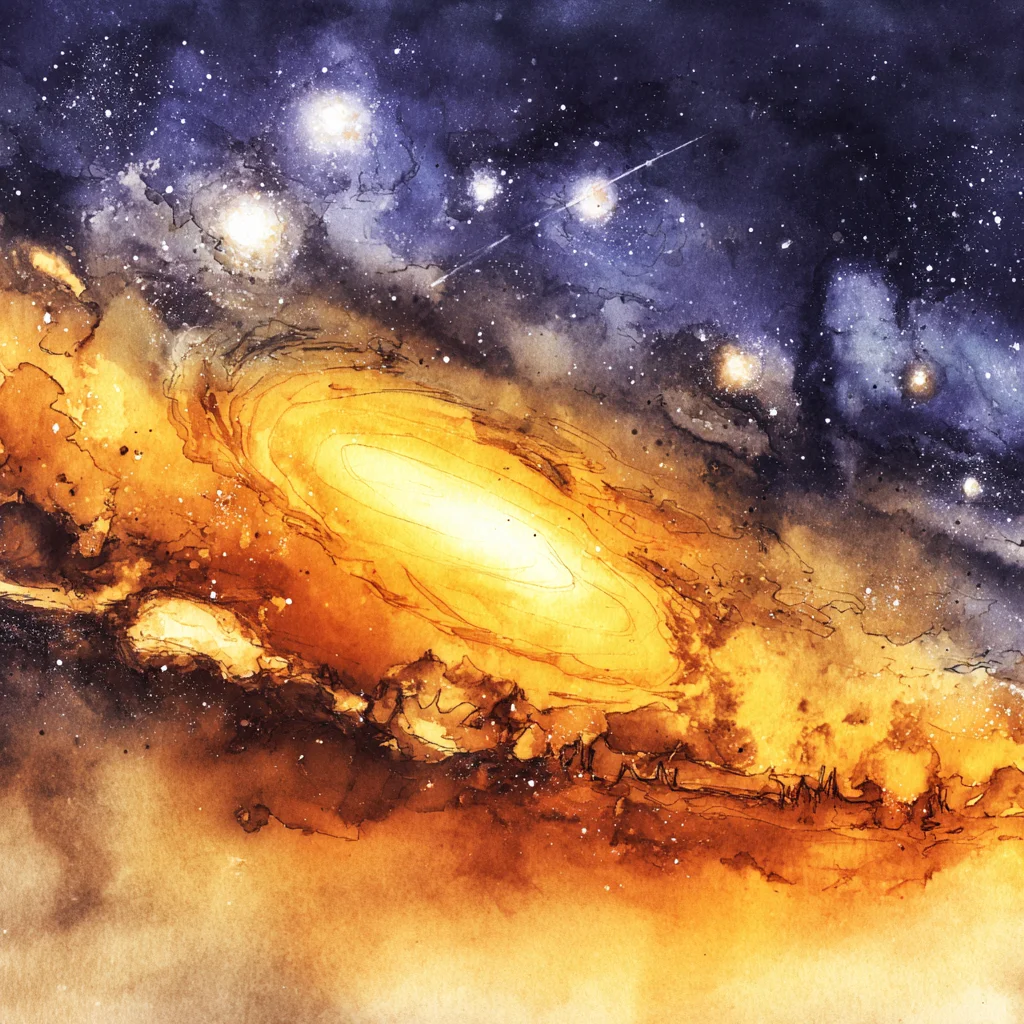
Cosmic Education: The First Great Lesson takes children from the Big Bang to Earth. Physics, chemistry, and geology as a Montessori adventure.